
Thought, Conduct, and System
Understanding the Hindu Way of Thought, Conduct, and System
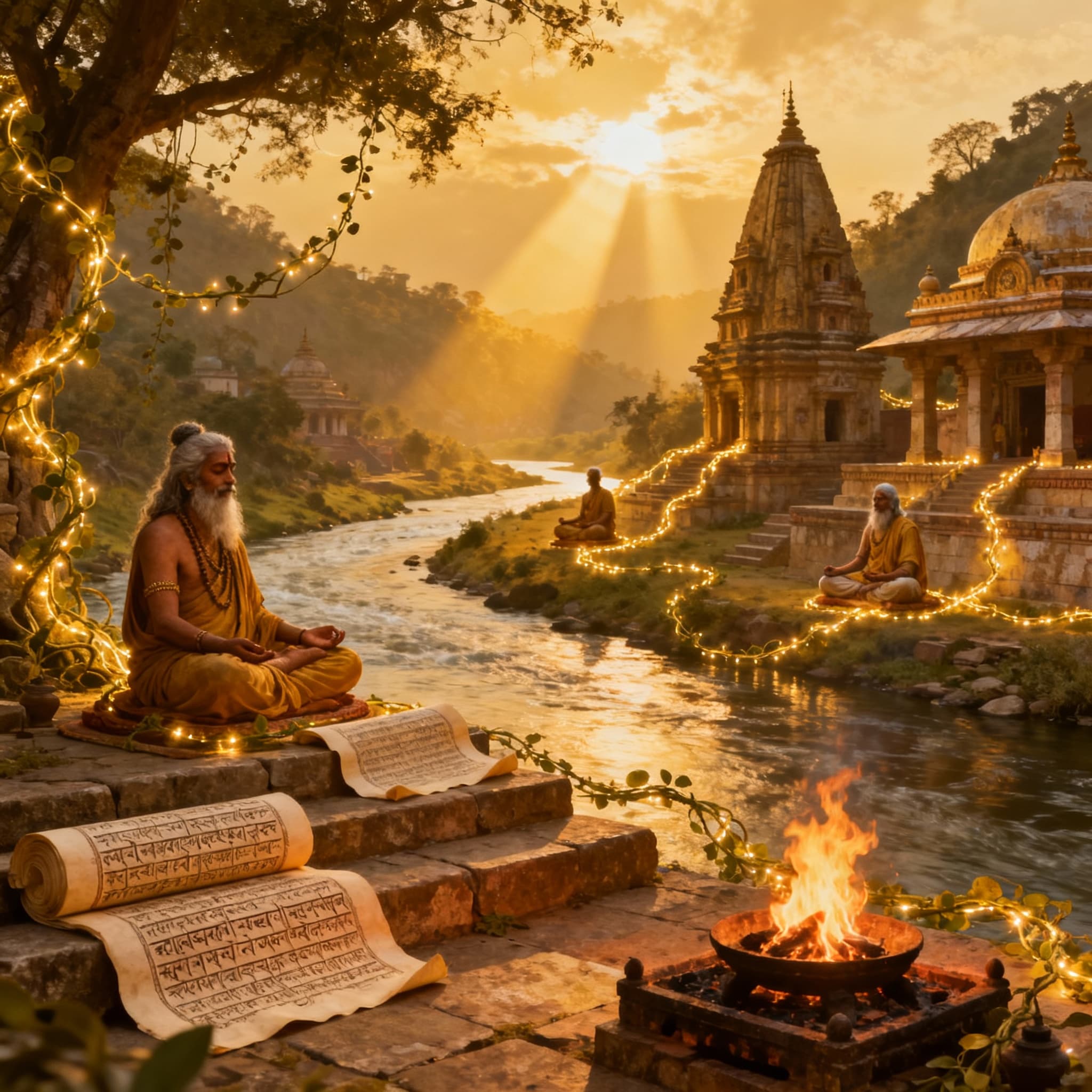
Every civilization stands on three foundations — thought, conduct, and system.
When the inner thought of a people aligns with their behavior and the structures they build, the result is harmony and strength. When these drift apart, confusion and decline begin. A healthy society continuously works to keep its ideas, actions, and institutions in balance.
The Timeless Hindu
The Hindu way of life is as old as humanity itself. From the earliest times, humans living on this land developed a way of living that connected them deeply with nature, with others, and with the divine within.
Being Hindu does not depend on color, race, or geography. What binds people together is similarity in values, behavior, and outlook i.e. a shared rhythm of life shaped by reflection and discipline.
The Core of Hindu Identity
To be Hindu is to feel a sense of closeness with all of existence.
The thought is that the entire world is one family.
The conduct is to bring that feeling into daily life. This can be brought through kindness, restraint, and respect for every being, living or non-living.
It is a way of living that transforms belief into experience and turns awareness into action.
The Meaning of Bharat
The word Bharat signifies a society rooted in light of knowledge.
It represents a civilization guided by understanding rather than power, and by reflection rather than reaction.
The Vedic tradition, which values wisdom and harmony with the whole of creation, forms the continuous thread of this civilization. Knowledge is its foundation, truth its direction, and compassion its strength.
Hindu and Bharatiya
The Hindu society follows the Vedic path, and that same tradition defines Bharat.
The two are not separate identities but two expressions of one spirit — the pursuit of knowledge, the practice of harmony, and the realization of unity in diversity.
Conclusion
To live as a true Bharatiya is to live with awareness, discipline, and affection for all beings.
It is to recognize that the purpose of life is not domination or accumulation, but alignment with the deeper order of truth and wisdom that has guided this land for countless generations.
Written by Sachin anand
More from this author
Bridging the Gap: Finding Ancient Wisdom in the Modern World
In today’s fast-paced environment, it is common to wake up surrounded by noise. From the moment the day begins, we are often met with endless notifica...
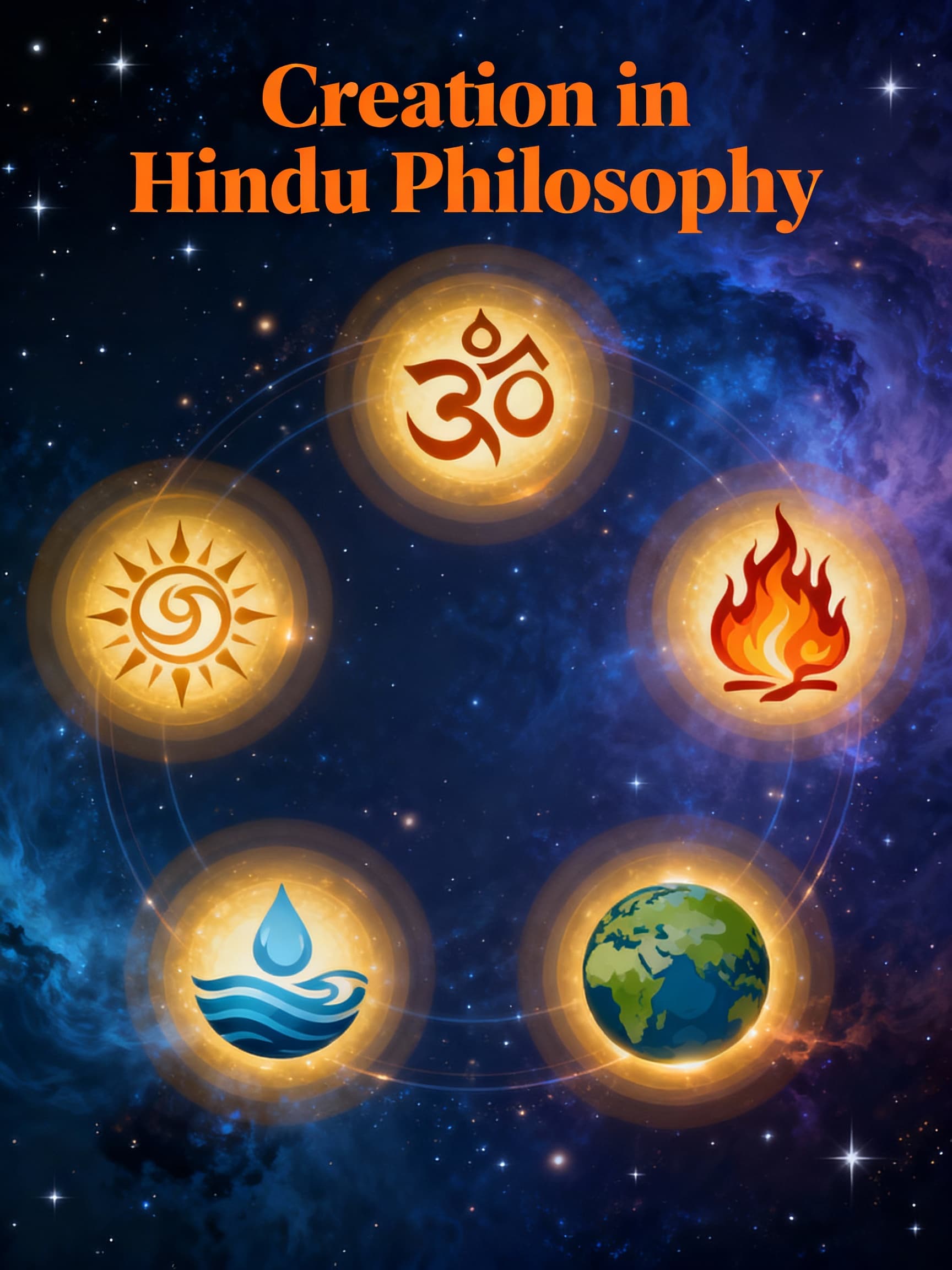
The Five Elements of Creation: Spiritual Insight Simplified
Hindu philosophy sees five basic elements: space, air, fire, water, and earth. The scriptures say everything began with space. Air then formed from sp...
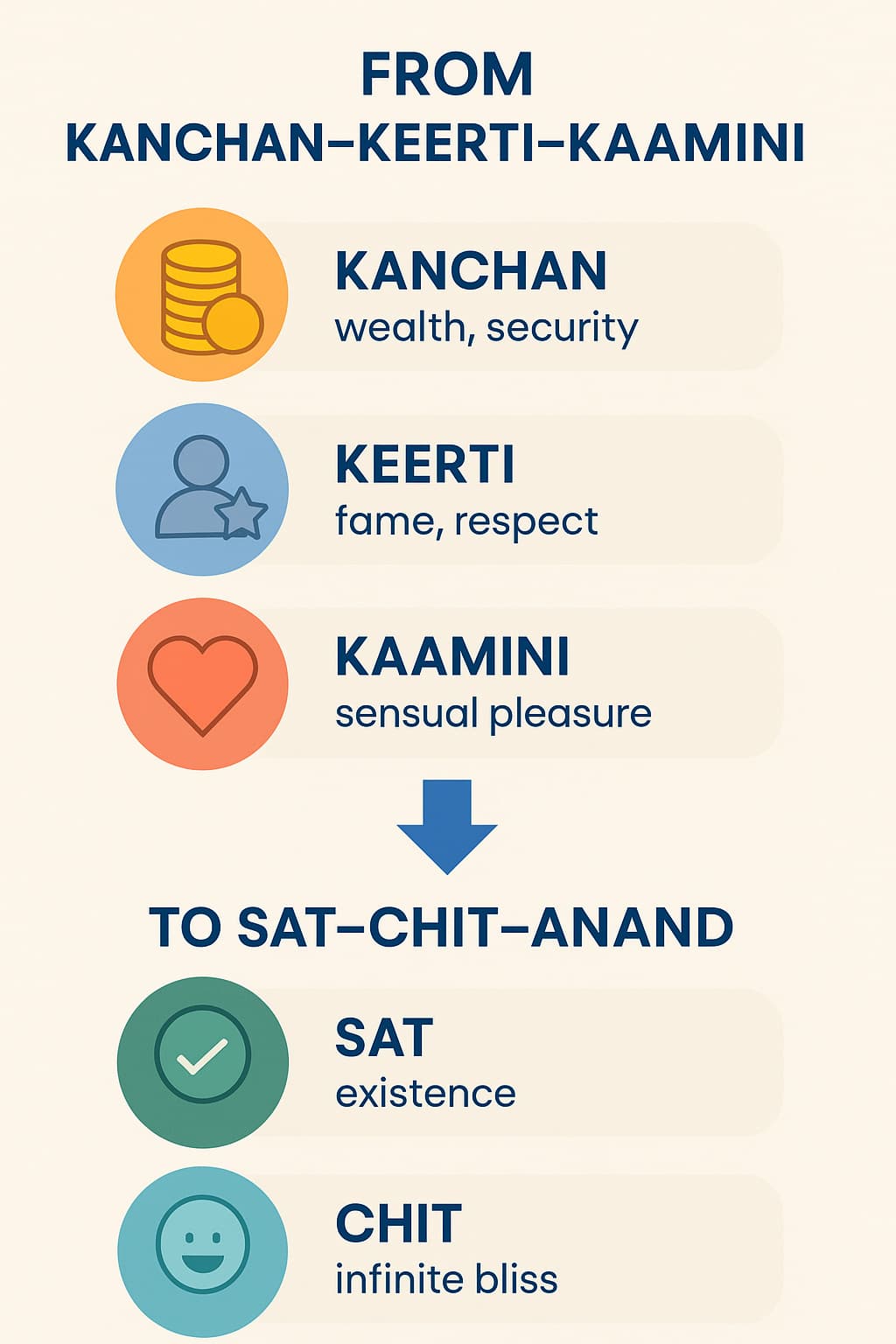
Kanchan, Keerti, Kaamini (KKK)
Every one of us lives with imperfect senses. We hear partially, see partially, perceive partially — and because of this incompleteness, we often fall ...